Some links on Girl Wonder Life are affiliate links. We may earn a commission if you buy through them, at no extra cost to you. Recommendations are editorial guidance, not claims of hands-on testing. Read our disclosure.
Independent planning advice. We have not personally tested every item discussed. Links to manufacturers and public resources are provided for further research; any paid links are identified separately.
Choose an outing with an easy ending
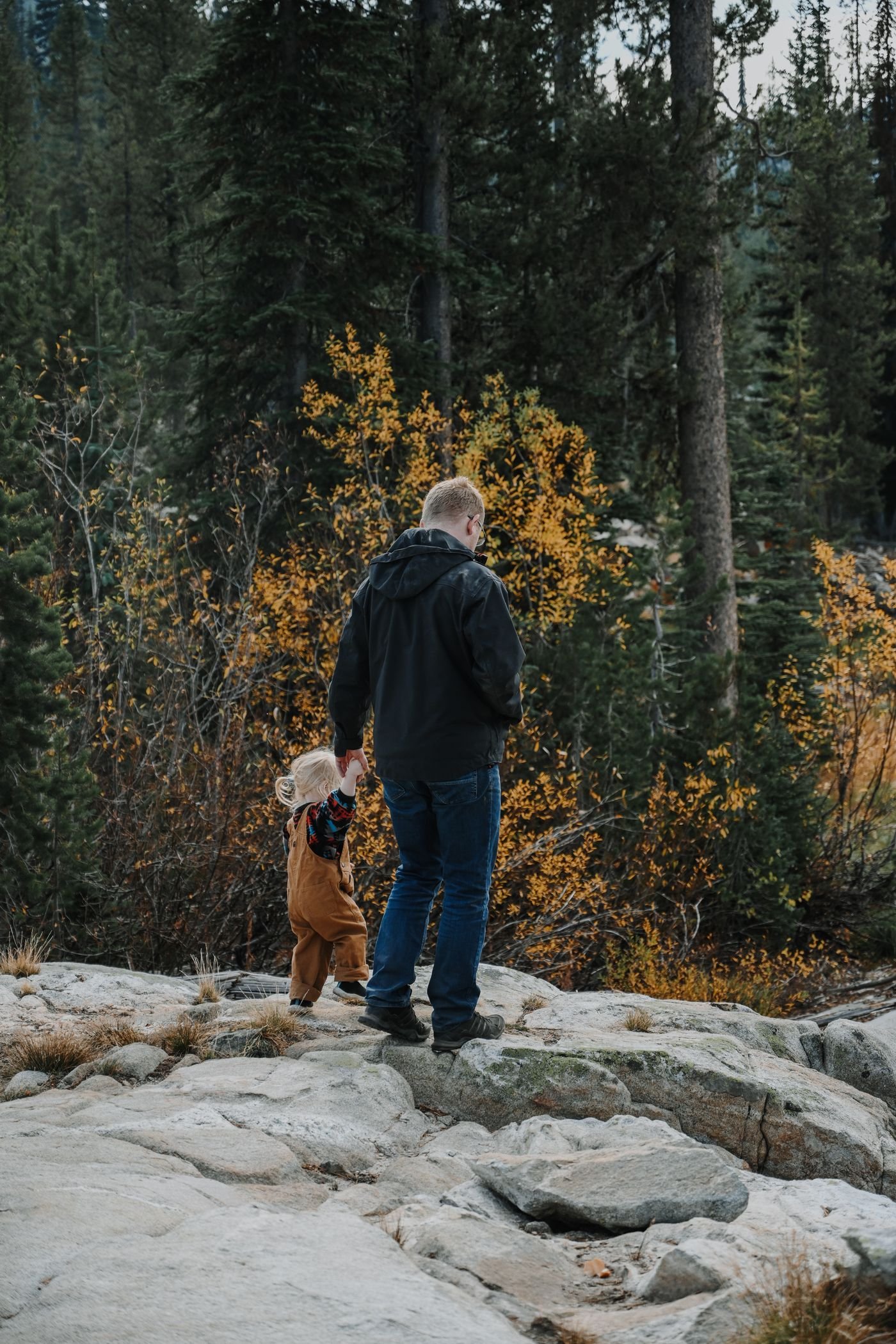
A short nature walk can feel like a complete family adventure when the child has time to notice what adults would usually pass. The starting point is a route that lets you turn back without an argument or a complicated transport problem. For two adults and one child, a short out-and-back path or a clearly described loop can make the day easier to manage.
Check the land manager’s current trail information, weather and closures before leaving. A route described as easy still needs to suit your child, equipment and the conditions on that particular day.
Let the route do less work
Choose a clear path with a few natural points of interest rather than a distant landmark you feel obliged to reach. A bridge, a large tree or a bench can become the destination. Set a turnaround time and keep enough flexibility to stop earlier.
One adult can handle navigation while the other stays engaged with the child. Share those roles rather than allowing one person to carry all the planning and equipment. Keep the group together and use the route’s official guidance instead of inventing shortcuts because the map appears to offer one.
Pack for conditions, not a photograph
The National Park Service encourages adults hiking with children to prepare appropriate essentials. For a small outing, consider water, food, clothing, navigation and any other supplies the setting requires. A nearby park and a remote trail are different commitments; scale preparation to the actual environment rather than using one universal bag.
Comfortable footwear matters more than new hiking branding. Try shoes before the trip and check the fit with the socks your child will wear. Add layers and suitable protection for the forecast, with a way to keep spare clothing dry.
Build curiosity without a performance
Offer one simple invitation: find three textures, listen for different sounds or look for signs of changing seasons. Let the child choose which details are interesting. A nature outing does not need a worksheet, a species tally and a finished craft to count as worthwhile.
Observe wildlife from an appropriate distance and follow site rules about collecting or touching. A photograph or a drawing can record a discovery without taking it home. If you do not know the name of a plant or animal, call it an observation to investigate later rather than guessing confidently.
Buy very little for the first walk
A small notebook and ordinary pencil may be enough for a child who enjoys recording things. Binoculars or a magnifier can be interesting later, but consider weight, usability and supervision before buying. An accessory that needs constant adult adjustment can interrupt the relaxed attention you hoped to encourage.
Borrow or use existing equipment first where appropriate. If the family repeatedly enjoys the activity, spend on an item that answers a specific need. Check age guidance, durability and replacement options rather than choosing a large exploration kit for its quantity of pieces.
A practical rhythm for the outing
Start with a brief check of the route and everyone’s comfort. Walk a little, stop when something interests the child and take a food or drink break before energy drops sharply. Notice the time at each pause so that curiosity does not use up the return margin.
Finish while there is still some enthusiasm left. Back at your accommodation, ask for one remembered detail instead of a full report. A slow walk with several satisfying discoveries can be a better foundation for future outings than completing a longer route through frustration.
Questions about making it easier
What if the child is bored? Offer a small choice, such as looking for a particular color or walking to the next safe landmark. If it remains unpleasant, shorten the outing. Interest varies from day to day.
Do we need a specialist child backpack? Not for every walk. Adults can carry shared essentials while the child carries one light optional item.
What if the weather changes? Use your turnaround plan and follow official advice. Equipment is there to support good decisions, not to make you continue toward an arbitrary distance target.
Sources & further planning
Check current opening details, policies and product specifications directly before booking or buying. Sources checked October 10, 2026.