Some links on Girl Wonder Life are affiliate links. We may earn a commission if you buy through them, at no extra cost to you. Recommendations are editorial guidance, not claims of hands-on testing. Read our disclosure.
Independent planning advice. We have not personally tested every item discussed. Links to manufacturers and public resources are provided for further research; any paid links are identified separately.
Imagine the walk back
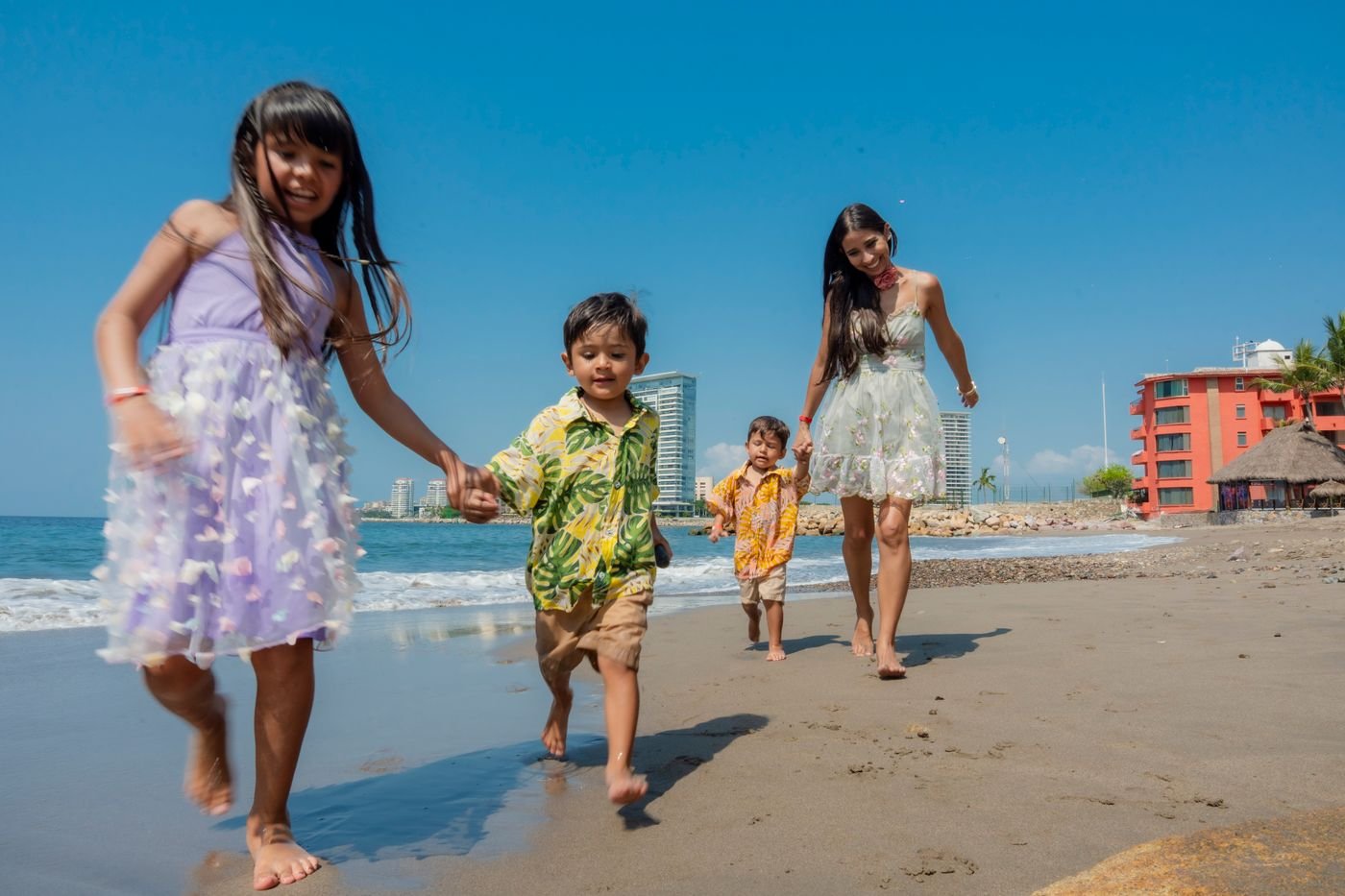
The most useful beach packing test happens at the end of the day: wet towels, sandy shoes, a child ready for dinner and a walk uphill. Equipment that seemed manageable in the morning can become an unnecessary burden. For two adults and one child, plan around the hands available when the child needs attention.
Find out whether the beach has nearby toilets, food, shade and equipment rental. Check access, local notices and any seasonal facilities through the relevant local authority or operator. Do not assume a beach photograph tells you how the day will work.
Separate essentials from entertainment
Start with drinking water, food as needed, suitable sun protection, towels and dry clothing for the return journey. Add the child’s usual care items and any personal requirements. Keep valuables minimal and assign one adult responsibility for documents and phones.
Entertainment should be small enough that it does not dominate the load. A bucket or a simple sand toy may be sufficient. More equipment does not guarantee a longer or happier stay, and anything that scatters into many pieces becomes harder to gather when everyone is tired.
Choose a bag that manages sand and wet items
A broad opening makes it easier to retrieve a towel, while useful pockets can separate keys from the sandy main compartment. A fully open mesh bag lets some sand escape but also exposes contents; a more enclosed bag may keep items organized while retaining sand. Pick the compromise that suits your journey.
Use a separate washable bag for wet clothing. Do not expect an ordinary tote to contain a soaked swimsuit without affecting everything beside it. Check cleaning instructions before buying a beach bag that will regularly encounter salt, sunscreen and damp fabric.
Shade equipment needs a location check
Before packing or buying an umbrella or shelter, check local rules and permitted setup areas. Think about transport, assembly and conditions. Follow the manufacturer’s installation guidance and heed local weather warnings. A shade product is useful only if it can be used appropriately where you are going.
Renting a suitable setup from an established local operator may reduce luggage for a short visit, but verify availability and cost in advance if your plan depends on it. Access to shade is one part of sun planning rather than permission to ignore exposure throughout the day.
What is worth paying more for?
A comfortable carrying system, a towel that suits the drying space and equipment that can be cleaned and reused may justify spending. A bulky luxury beach chair may be excellent at home yet poor value for a flight and a short stay. Compare the whole trip cost, including baggage and transfers.
Look for durable closures and practical dimensions instead of buying a coordinated beach collection. Try loading your existing tote first. A new bag only earns its purchase if it improves an actual problem such as carrying comfort, access or separation of wet items.
The small beach-day checklist
Before leaving: check local conditions and access information; fill water supplies; confirm toilets and the route home; pack dry layers; agree where bags will stay. On arrival: identify appropriate areas for your family and follow posted guidance. During the day: adjust the plan to the child’s energy and changing conditions.
Keep close supervision around water and follow local lifeguard instructions where provided. Toys and recreational equipment do not replace supervision. If the conditions or facilities do not suit your family, choose a shorter visit or another activity rather than trying to justify the equipment you brought.
Questions that keep the kit modest
Should we pack an inflatable? Consider local rules, transport and whether it is appropriate for the setting. It can add bulk and complexity; do not treat it as essential or as safety equipment.
How many towels do we need? Start with how each towel will be used and whether accommodation provides suitable beach towels. Keep drying and seating needs distinct.
What should we buy at the destination? Small low-cost supplies may be easy to find, but do not depend on an unverified shop for an essential item. Leave room to make decisions once you understand the actual beach.
Sources & further planning
Check current opening details, policies and product specifications directly before booking or buying. Sources checked October 10, 2026.