Some links on Girl Wonder Life are affiliate links. We may earn a commission if you buy through them, at no extra cost to you. Recommendations are editorial guidance, not claims of hands-on testing. Read our disclosure.
Independent planning advice. We have not personally tested every item discussed. Links to manufacturers and public resources are provided for further research; any paid links are identified separately.
The useful problem to solve
The hotel room is small, your child needs clean socks and the suitcase is under a desk. Packing cubes are useful when they turn that search into one quick movement. They are less useful when they add so many layers that getting dressed requires unpacking a complete system. Begin by identifying what currently gets lost or mixed together.
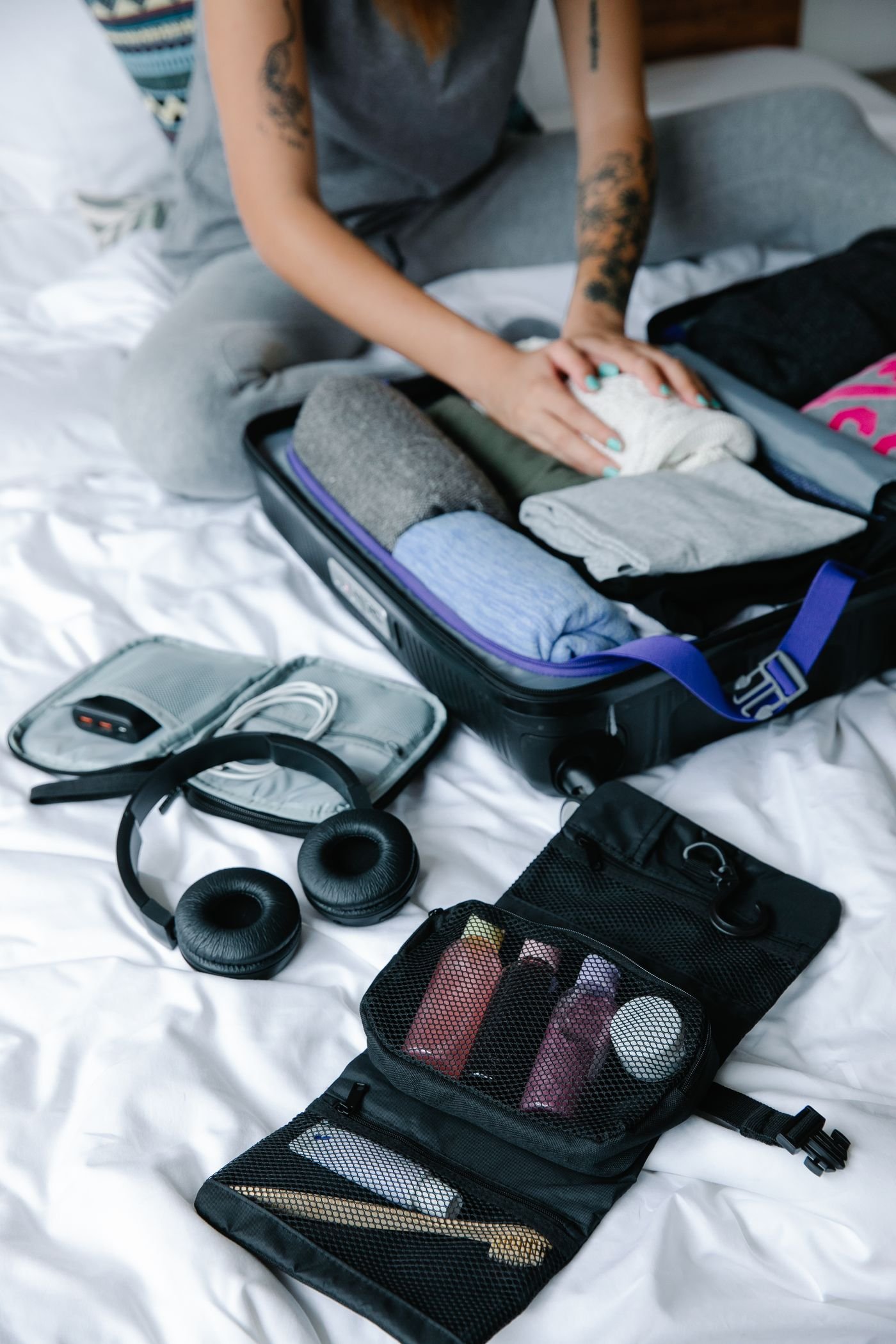
For a family of three, the best arrangement may be one clothing pouch per person and one shared laundry bag. You do not need a matching cube for every category of item.
Choose a system before choosing a set
Person-based packing makes it easy to hand each traveler their clothing. Outfit-based packing can suit an overnight stop where you want to open only one small pouch. Activity-based packing can help with swimwear or cold-weather layers. Each system has a tradeoff: the most organized arrangement at departure may become confusing once laundry appears.
Write down how you will use the cubes on the first evening and midway through the trip. Choose the smallest system that makes both moments easier, then measure the space available inside your existing luggage.
Standard cubes and compression cubes
Standard cubes group clothing without requiring much pressure on the zip. Compression versions may reduce the volume of compressible garments, depending on the items and design, but they do not reduce weight. They can also create dense blocks that leave awkward gaps in a suitcase.
Do not buy compression as permission to add extra outfits. The relevant limit may be the airline’s weight allowance or the amount you can comfortably lift. Test the full packed bag before deciding whether a space-saving product has actually improved your travel arrangement.
Inspect the details that get used every day
Look at zip movement, seams and handles. Mesh can help you identify contents, while a more enclosed design may be useful for separating clothing. Neither guarantees protection from spills. If something needs to stay dry, use a suitable waterproof solution rather than assuming an ordinary fabric cube will do the job.
Compare sizes individually. A large set may contain pieces that do not fit your case or duplicate pouches you already own. A few well-sized cubes often provide more value than an impressive quantity of mismatched organizers.
Pack for a laundry rhythm
Count wearable days until you can realistically wash clothes. Leave room for what happens after washing: clothes may take longer to dry than expected, and a room may have limited hanging space. Keep clean and worn items distinct with a washable bag or clearly assigned pouch.
For the child, place the next morning’s outfit where an adult can reach it without searching through everyone’s belongings. Keep an emergency change in the travel-day bag rather than inside a tightly packed cube that might end up out of reach during a transfer.
A fair home trial
Use existing fabric pouches or simple bags to test your proposed arrangement for a weekend. Pack, remove an outfit, repack and add pretend laundry. Notice which containers you open most often and which stay untouched. This reveals whether you need different sizes, better visibility or fewer divisions.
If you decide to buy, prioritize the pieces that solve an observed problem. A bright small pouch for the child’s socks can be more valuable than a full premium set. Keep receipts until you have confirmed the dimensions and zip operation with the clothing you actually pack.
Questions about getting started
Should each person have a different color? It can help, especially when two adults share responsibility, but a simple label works too. Do not replace useful existing pouches just to create a coordinated appearance.
Are cubes necessary for carry-on travel? No. Careful folding and a consistent packing location can be enough. Cubes are a convenience, not an admission requirement for traveling light.
Can they go straight into drawers? Check that drawers are clean and that you are comfortable using them. Keeping cubes in the suitcase can work well for a short stay with limited storage.
Sources & further planning
Check current opening details, policies and product specifications directly before booking or buying. Sources checked October 10, 2026.