Some links on Girl Wonder Life are affiliate links. We may earn a commission if you buy through them, at no extra cost to you. Recommendations are editorial guidance, not claims of hands-on testing. Read our disclosure.
Independent planning advice. We have not personally tested every item discussed. Links to manufacturers and public resources are provided for further research; any paid links are identified separately.
Start with the awkward part of the journey
Imagine arriving at a small station with two adults, one tired child, a staircase and no luggage trolley. The right packing system is the one you can move through that moment. Begin by deciding who can hold a hand, who carries documents and who can lift the largest bag. A generous luggage allowance does not mean using every permitted piece is comfortable.
For a short trip with laundry available, two manageable adult bags and one shared day bag may work better than a separate case for everyone. Treat this as a starting arrangement, then test it at home.
Check the rules before comparing suitcases
Read the baggage conditions for every operating airline on the itinerary, including any connecting flight. Measure the full bag with wheels, handles and outer pockets. A product described as cabin size is not a universal promise of acceptance. Weight limits, personal-item definitions and whether your ticket includes cabin baggage can differ.
Do the same for trains, transfers and accommodation. A bag that fits overhead may still be unpleasant on a cobbled walk. If your room is upstairs without a lift, carrying comfort deserves as much attention as spinner wheels.
Give each bag a job
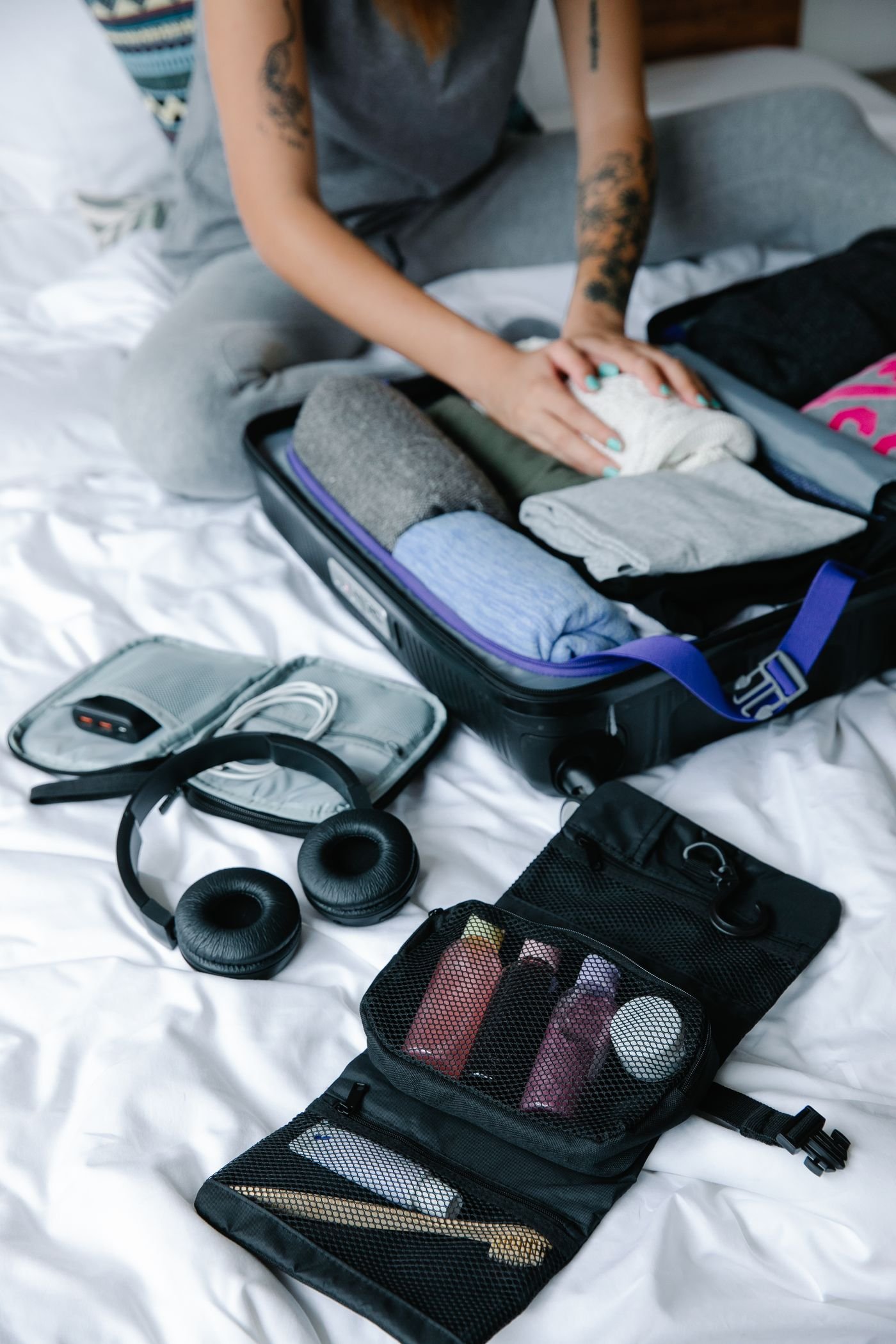
Keep documents, essential medication, a change for the child and travel-day supplies accessible with an adult. Split basic clothing across the main bags so one delayed or gate-checked piece does not contain everything for one person. Keep chargers together, but separate the one cable needed during the journey.
The day bag should contain the next few hours, not the whole holiday. Pack snacks, an empty refillable bottle where appropriate, tissues, a light layer and a small activity. Place anything needed at security or ticket barriers where it can be reached without emptying the bag.
Buy for handling rather than advertised capacity
When comparing cases, check the empty weight, interior shape, handle adjustment and availability of replacement parts. An expanding section can be useful on the return journey, but it may also make the packed bag exceed your allowance. Hard shells protect structure; soft bags can offer convenient pockets. Neither design automatically makes a family pack lighter.
Try lifting a realistically loaded bag onto a high shelf. A purchase that feels comfortable while rolling across a showroom may feel different when the wheels cannot help.
A packing rehearsal that reveals the problem
Lay out clothing by day and identify pieces that can be repeated. Choose a laundry point before adding backup outfits. Pack shoes around actual activities: a walking pair and one genuinely necessary alternative are a different proposition from three pairs chosen for imagined possibilities.
Then walk through the house with everything you intend to carry. Open the front door, climb stairs and retrieve a snack while one adult holds the child’s hand. Remove items until the system works. This exercise is more useful than buying a larger suitcase to accommodate an unexamined list.
What deserves its space
Keep: identification, required travel documents, everyday medication, weather-appropriate clothing and a modest comfort item. Consider: a compact laundry bag, one organizing pouch per person and a small repair kit suited to the trip. Leave behind: duplicate large toiletries, bulky packaging and entertainment that needs many loose parts.
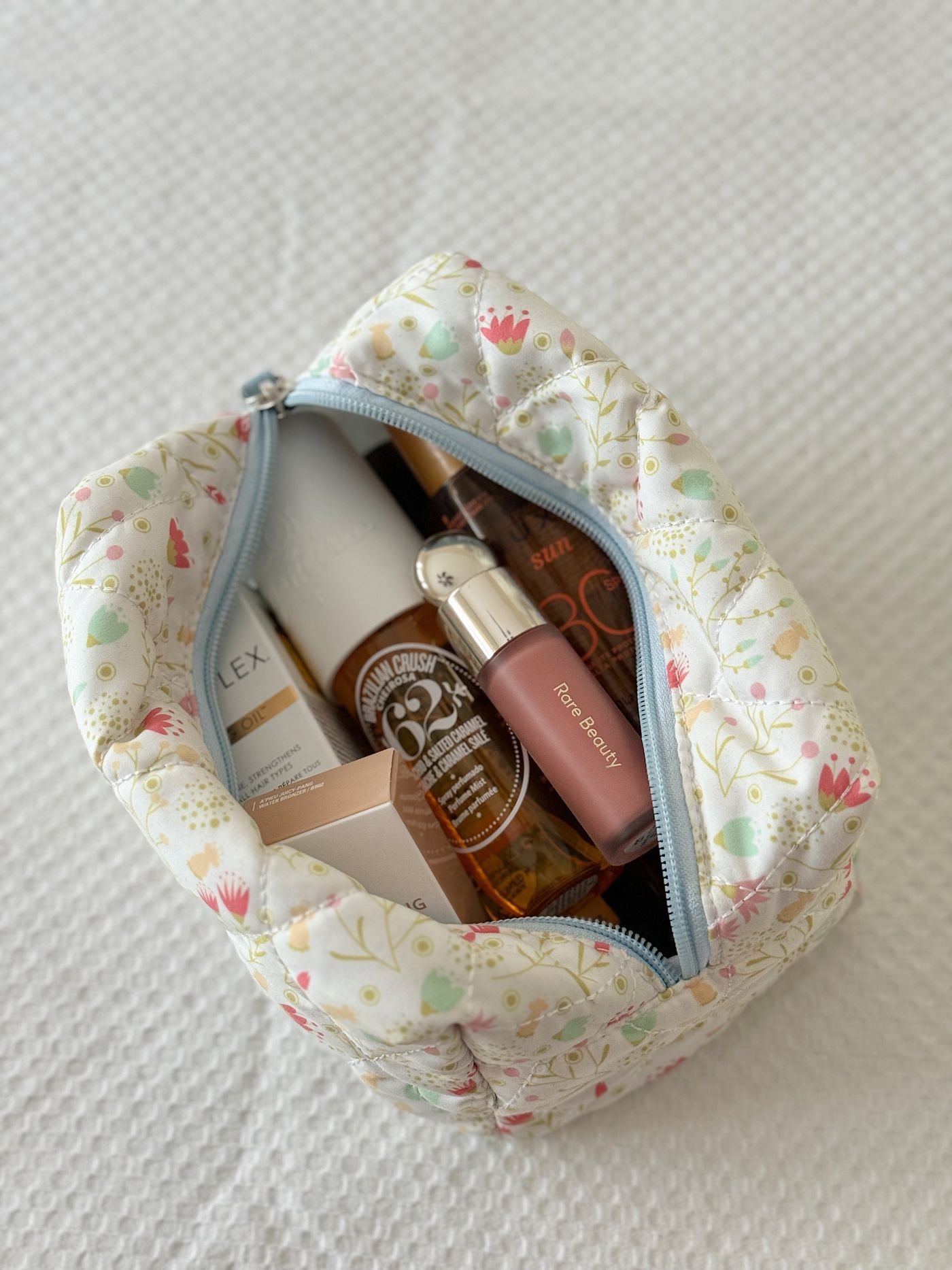
Before purchasing organizers, test your existing bags. A simple pouch can solve a cable problem. A full matching luggage set is only good value if every piece serves a repeatable purpose. Budget for baggage fees and transfers alongside the equipment itself.
Questions families ask
Should a child carry their own bag? Only if the child can comfortably manage it and you can absorb it when they stop. Do not build a tight packing plan around a young child carrying an essential load all day.
Is carry-on-only always cheaper? No. Compare the complete ticket and baggage cost, laundry access and your physical comfort. A checked bag can be a sensible choice for bulky equipment or a longer stay.
What should change for the return trip? Keep a little space for laundry and small purchases, and repeat the allowance check before leaving your accommodation.
Sources & further planning
Check current opening details, policies and product specifications directly before booking or buying. Sources checked October 10, 2026.