Some links on Girl Wonder Life are affiliate links. We may earn a commission if you buy through them, at no extra cost to you. Recommendations are editorial guidance, not claims of hands-on testing. Read our disclosure.
Independent planning advice. We have not personally tested every item discussed. Links to manufacturers and public resources are provided for further research; any paid links are identified separately.
Picture the bag after lunch
A bright backpack looks appealing in a shop. The more useful question is what happens after lunch, when your child is warm, tired and no longer interested in carrying it. For a family of three, an adult should be able to take over the daypack without juggling a fourth awkward object. Choose a bag that works within the whole family’s carrying arrangement.
A child’s daypack is best treated as a small area of independence. It can hold a light layer, a compact activity and perhaps a snack. Adults remain responsible for the supplies that must stay available.
Fit comes before features
Try the bag on the child wearing the clothes likely to be used on the trip. Adjust both shoulder straps and check that the bag does not hang awkwardly or repeatedly slip. A chest strap may help keep shoulder straps positioned, but it should be easy to operate and comfortable. Follow the manufacturer’s fitting guidance for the actual model.
Avoid buying a much larger pack solely for future growth. Extra capacity invites extra weight, while a poor current fit can make a small outing unnecessarily frustrating.
Compare access in real situations
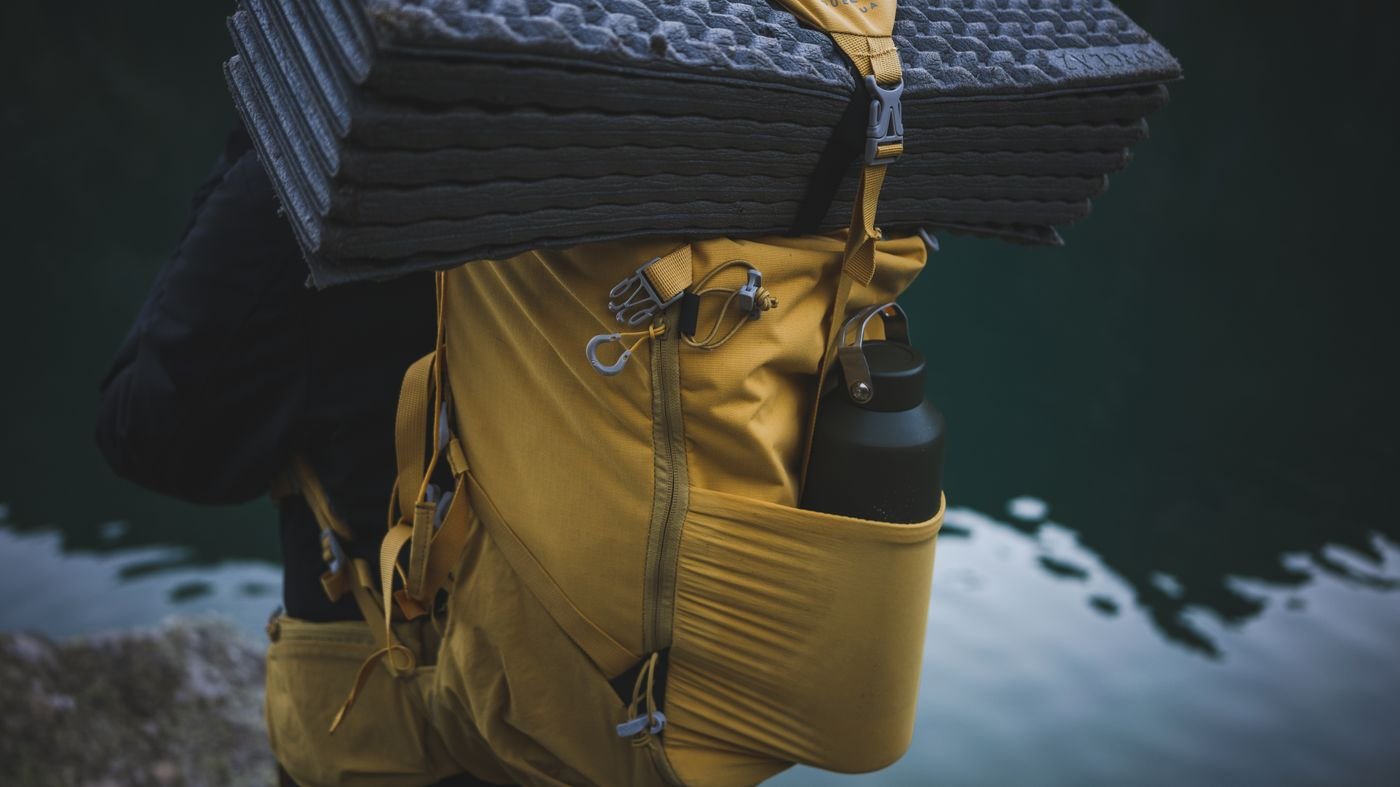
Can the child open the main zip without assistance? Is the bottle pocket secure when the bag is set down? Does the bag stay upright enough to find a pencil or a snack? Look for useful access rather than the greatest number of compartments. Too many pockets can make a simple task confusing.
Let the child practise putting each item back. A contrasting lining may make contents easier to see, and a simple name label inside can help identify the bag without advertising personal details to everyone nearby.
Choose materials for the trip you actually take
For ordinary city days, a light washable fabric and straightforward zip may be more useful than technical hiking features. For frequent outdoor walks, consider how easily wet grass, dirt and a damp jacket can be managed. Water-resistant fabric is not a guarantee that everything inside stays dry. Put paper, electronics and spare clothing in appropriate protective pouches.
Inspect seams, bottle-pocket stitching and zip pulls. Read the care instructions before assuming the whole pack can go into a washing machine. Durability includes being able to clean the bag sensibly.
A short packing experiment
Begin with the empty pack. Add one item at a time and let the child walk around, climb a few steps and sit on a bench. Ask what rubs or moves. Keep the load light enough for the particular child and outing; there is no reason to fill every pocket.
A useful initial list is a thin layer, a small notebook, a pencil and a snack in a reusable container. Adults can carry the main water supply and shared essentials. Change the list for heat, rain and the distance between services rather than treating it as permanent.
Spend on construction, save on novelty
A sturdy zip, comfortable straps and a sensible return policy are stronger reasons to spend more than a licensed character or an accessory bundle. If your child already has a suitable small school backpack, test it first. A dedicated travel bag is not automatically necessary.
Be wary of attached toys, dangling straps and loose charms that complicate crowded transport. Keep the outside simple. If visibility matters, choose a noticeable color you and your child both like, while remembering that color never replaces supervision or a clear meeting plan.
Questions before checkout
Should we buy a hydration backpack? Only if your planned activities justify the cleaning and maintenance. A normal bottle is often easier for a simple sightseeing day.
Should the daypack contain contact information? An internal label with appropriate adult contact details can be useful. Keep sensitive information out of public view and teach your child who to approach if separated.
What if the child refuses to carry it? Remove the expectation, adjust the load and let the bag be optional. The point is an enjoyable family day, not completing a lesson in carrying luggage.
Sources & further planning
Check current opening details, policies and product specifications directly before booking or buying. Sources checked October 10, 2026.