Some links on Girl Wonder Life are affiliate links. We may earn a commission if you buy through them, at no extra cost to you. Recommendations are editorial guidance, not claims of hands-on testing. Read our disclosure.
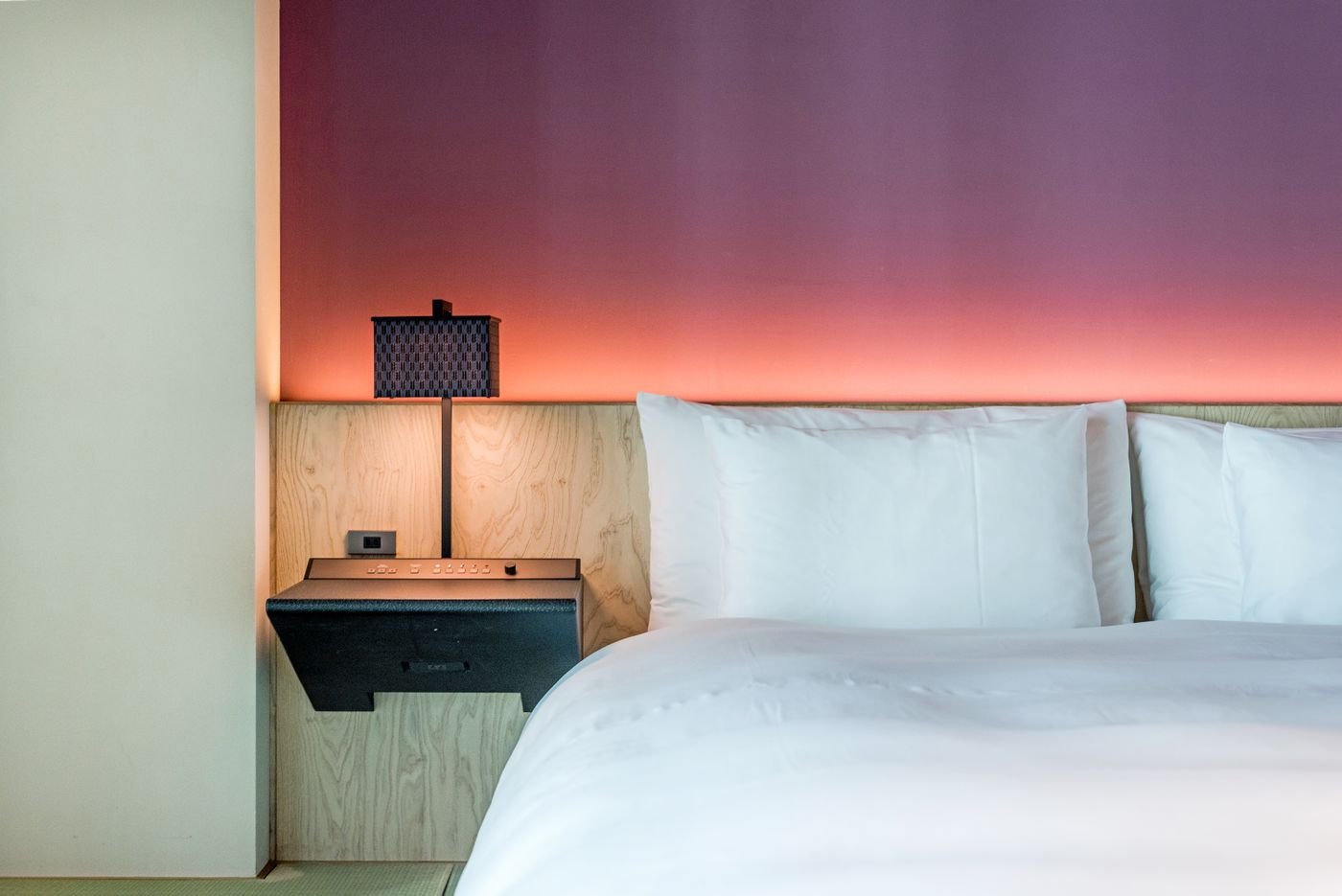
A family room is a category label, not a floor plan. For two adults and one child, the difference between a comfortable stay and a frustrating one can be the position of a sofa bed, a bathroom door or a room that never becomes dark enough for bedtime. Read the room as a space you will live in rather than a photograph of somewhere you will sleep. Then compare the booking terms.
Start with the third sleeping place
Enter the correct guests and your child's age before comparing rates. Find the actual bed arrangement. Is the third place a fixed single bed, a sofa bed, a rollaway or another setup? Ask whether it is included in the quoted rate and available for your dates. A page accepting three guests does not answer every question about how the room will be prepared when you arrive.
If your child sleeps early, imagine both adults moving around afterward. Can someone read with a small light? Can someone use the bathroom without crossing the child's bed? Is there a separate sitting area or an attractive chair occupying the space where a temporary bed will stand? A simple diagram from the property can be more useful than another photograph taken through a wide-angle lens.
Compare complete stays
Write down the final amount shown for the full stay, stated inclusions and cancellation deadline. Compare the same dates and occupancy. Breakfast, extra-bed charges and other fees can alter the decision, so read the booking summary before payment. Avoid comparing a flexible rate at one property with a nonrefundable rate elsewhere as though the only difference were price. Flexibility is part of what you are buying.
Imagine one hotel has a lower room total but requires buying breakfast for three elsewhere and making a longer journey each morning. Another costs more but supports your preferred routine. Assign value to convenience you will use, not every amenity in the description. A fitness room has little booking value if nobody expects to visit it. An appealing lobby does not solve an inconvenient sleeping arrangement.
Read location from both directions
Check the arrival route with luggage and the return route after dinner. Distance alone does not show slopes, steps, complicated crossings or station access. Use current operator information and the property's arrival instructions. A quieter street near ordinary food options can fit a family better than a prominent address beside an attraction visited once. Look for a location that supports several days, not one photograph.
Ask about luggage storage if arrival or departure leaves a gap around check-in or checkout. Confirm the arrangement rather than assuming it. Check lift access, reception hours and late-arrival instructions. These questions are useful for apartments and smaller properties where arrival may involve a separate meeting. Keep important answers with your reservation so neither adult has to reconstruct the plan during the journey.
Decide what you can compromise on
Make three lists: essential, useful and irrelevant. Essentials might be the correct bed arrangement, a suitable access route and cancellation terms you accept. Useful extras might be laundry facilities or a refrigerator. Irrelevant features should not influence the decision merely because they are heavily photographed. The list keeps an appealing swimming pool from distracting you from a room that fails your everyday requirements.
Buy comfort after checking provision
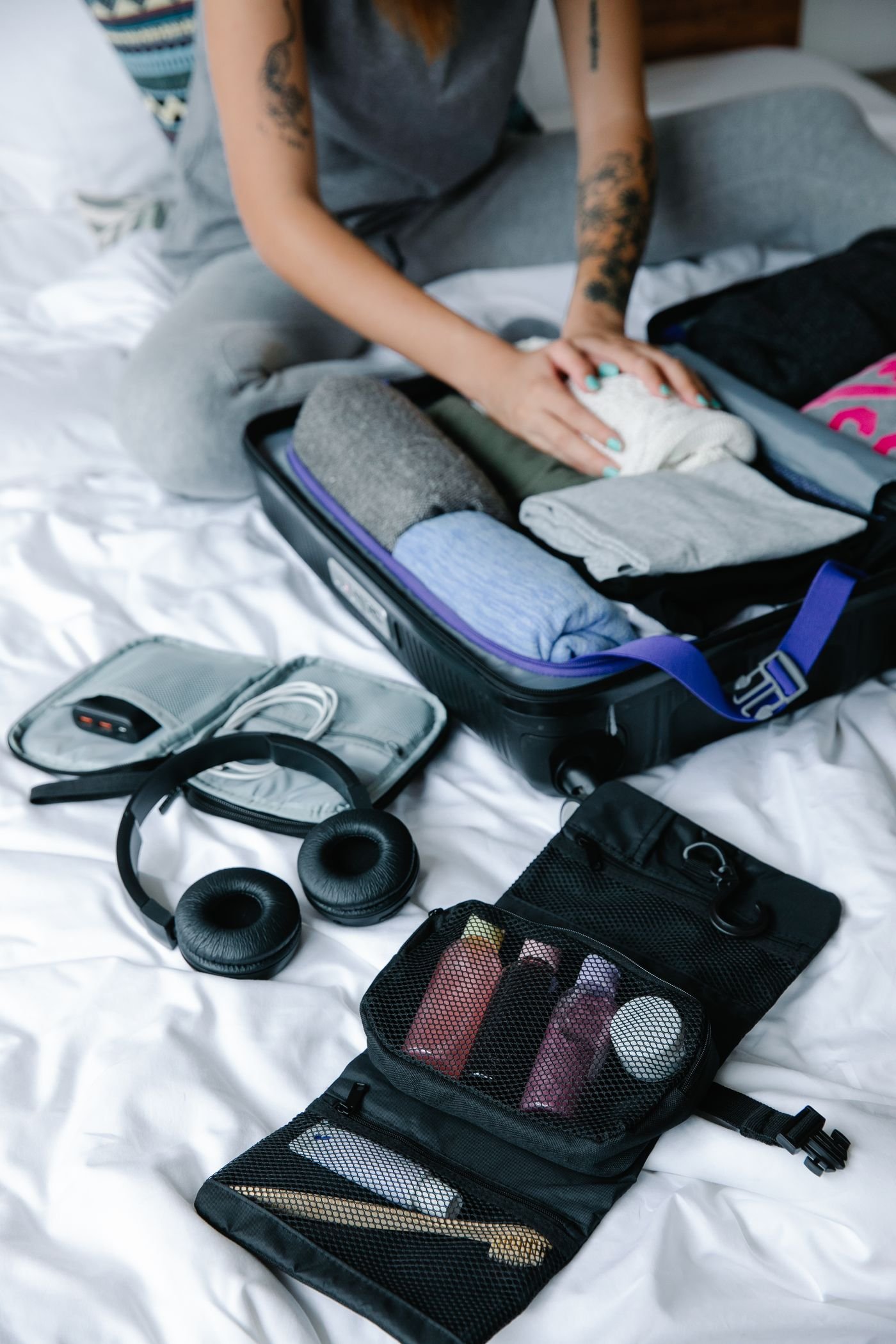
Do not buy bulky room accessories before asking what the property supplies and permits. If you need a reading light or packing organizer, choose something solving a specific repeated problem. Test it at home. An item requiring complicated setup or occupying half a suitcase may create more work than it removes. Sometimes the better purchase is a more suitable room rather than equipment intended to compensate for it.
Frequently asked questions
Is an apartment always better? Separate space and cooking facilities help only if the layout and service fit your trip. A hotel can offer simpler arrival support and housekeeping. Compare the complete daily routine rather than assuming one category is designed better for every family.
Should we contact the property? Yes, when a missing detail could change your choice. Ask concise questions about the exact room and retain the written answer.
How much space is enough? There is no universal answer. Focus on where luggage, the third bed and evening activity will go. A well-arranged smaller room can work better than a larger room with an awkward layout.
Sources & further planning
Check current opening details, policies and product specifications directly before booking or buying. Sources checked October 10, 2026.