
Some links on Girl Wonder Life are affiliate links. We may earn a commission if you buy through them, at no extra cost to you. Recommendations are editorial guidance, not claims of hands-on testing. Read our disclosure.
A useful budget helps a family make choices before booking. It should show what two adults and one child are likely to spend on the trip they actually want, including ordinary meals and transfers between memorable moments. A collection of attractive headline fares is not yet a budget. Start with the whole stay, separate shared costs from individual ones and keep estimates visible. Then revise the plan before spending.
Define the trip before pricing
Write the number of nights, travel days, accommodation changes and major activities. Agree on the meals and room you expect. A budget based on cooking every evening will mislead you if nobody wants to shop or wash up on holiday. A room for two is not a useful estimate for three unless the booking explicitly accepts the correct occupancy. Price the routine you intend to follow.
Choose the main priority: a well-located room, a particular experience or a slower journey. Protect that category and make deliberate compromises elsewhere. This prevents the budget from becoming small upgrades that collectively crowd out the thing you most wanted. There is no need to spend equally across transport, accommodation and activities. What matters is whether the total supports a trip the whole family wants to take.
Multiply unit cost by quantity
Write accommodation as the room cost per night multiplied by nights, using the complete quote for the correct guests. Write meals as expected spend per meal multiplied by meal count. Record tickets according to the provider's adult and child categories. Keep shared expenses, such as one booked transfer, separate from costs per traveler. This simple structure makes the effect of changing a night or activity easier to understand.
Adding a night changes more than accommodation. It can add meals, local transport and an activity. A later departure might add luggage storage or a different transfer. Instead of attaching a vague allowance to every day, identify the lines that change. Your notebook or spreadsheet can stay simple if assumptions are clear. Include the quantity beside each amount so another adult can understand the calculation without an explanation.
Label paid, committed and estimated
Paid means money spent. Committed means a booking exists with payment or cancellation exposure according to its terms. Estimated means a planning figure still needs checking. Include the currency and quote date. When comparing destinations, avoid treating an old estimate for one as equivalent to a current checkout total for another. Update the largest uncertain costs first because they have the greatest influence on the decision.
Review provider cancellation and change conditions before payment. The budget is a planning tool rather than a prediction of every outcome. Use current booking terms for decisions about a specific reservation. Keep a copy of confirmed totals and important conditions with the trip documents. That allows both adults to check what is already arranged without searching through a large collection of email messages.
Find the forgotten edges
Inspect the first and last day. How do you reach the departure point? What meals happen in transit? Does the room supply the facilities you are counting on? Name laundry, parking and local transfers when relevant rather than hiding everything in miscellaneous. A clearly described expense is easier to reduce than an unexplained allowance. The edges often contain costs missing from a destination-only daily estimate.
Leave an amount you are comfortable keeping unassigned for changes. Treat it as flexibility, not an automatic spending target. Rain might suggest an indoor activity; a tired evening might justify a nearby meal. If the budget works only when every decision goes perfectly, simplify before booking. Removing one unnecessary accommodation change can reduce both spending and practical work more effectively than many small sacrifices.
Count purchases made at home
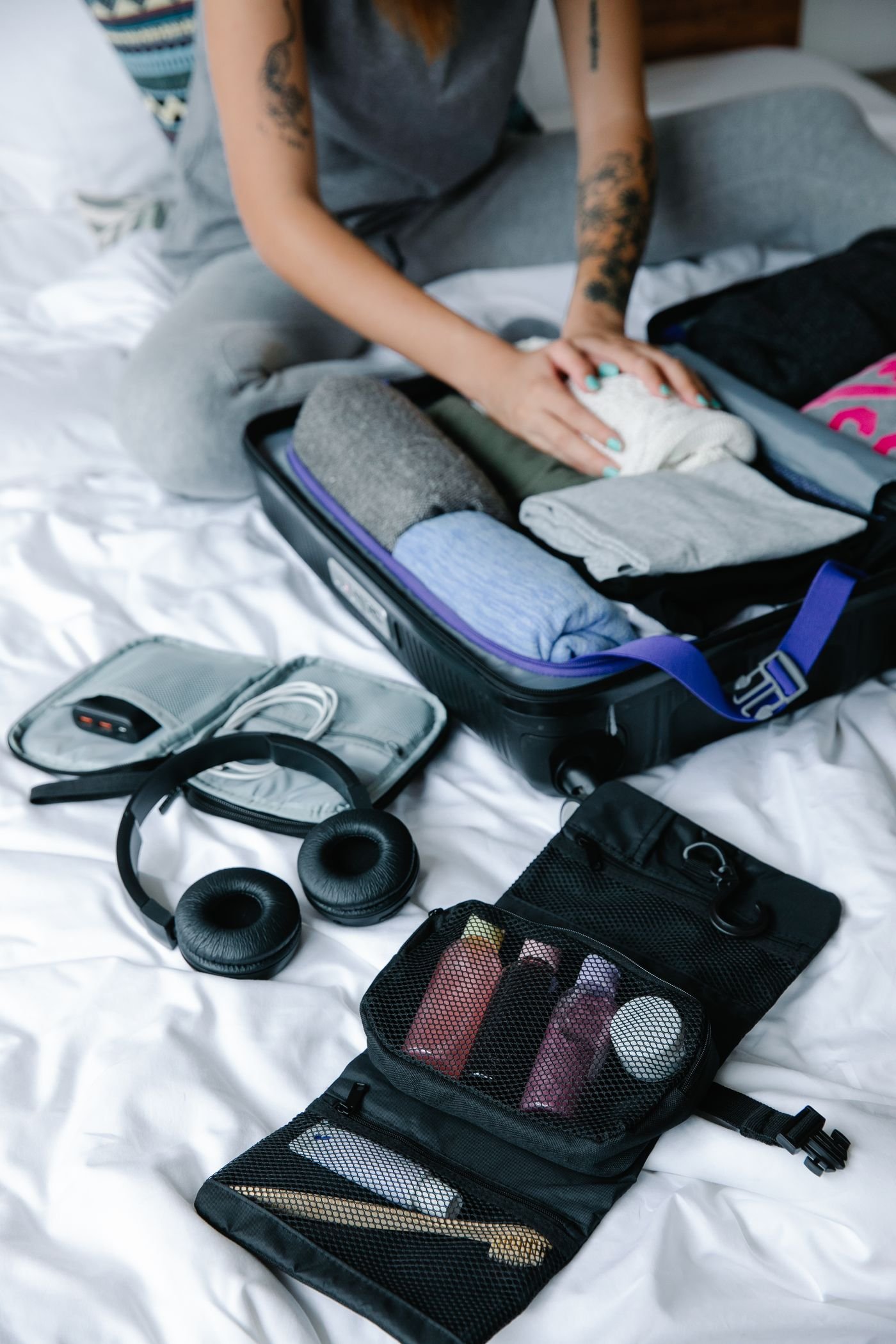
Luggage, clothing and activity accessories are real trip costs even when bought before departure. Make an inventory. Borrowing a suitable item or using an existing bag can preserve money for the holiday itself. Buy when an item solves a specific problem and consider usefulness afterward. A new suitcase is not a saving merely because it was discounted if the old one already meets the journey's needs.
Frequently asked questions
Should we set a daily cap? It can help flexible spending, but separate prepaid and irregular costs so a ticket-heavy day does not distort the picture. Review the whole-trip total too.
How do we compare hotels? Use the final stay total and add meal or transport differences created by location. The room rate alone may hide the better fit.
What should we cut first? Remove activities nobody strongly wants and purchases with a workable existing substitute. Protect essentials that make everyday routines comfortable.
Sources & further planning
Check current opening details, policies and product specifications directly before booking or buying. Sources checked October 10, 2026.